
EV Charger Safety: What Consumers Should Know When Choosing a Home Charger
Guangdong, China | April 21, 2026
As EV adoption continues to accelerate, home charging safety has become an increasingly important concern for consumers.
Earlier this year, China’s State Administration for Market Regulation released the results of its 2025 national quality inspection for EV chargers. The inspection covered products sold across major e-commerce platforms and revealed that a significant number of chargers failed to meet required safety standards.
The findings highlighted issues including:
- Unsafe charging termination under abnormal conditions
- Faulty shutdown mechanisms
- Non-compliant charging connection control systems
These failures may increase the risk of electric leakage, short circuits, or overheating during operation, underscoring the importance of choosing certified and reliable charging equipment.
Why CCC Certification Matters
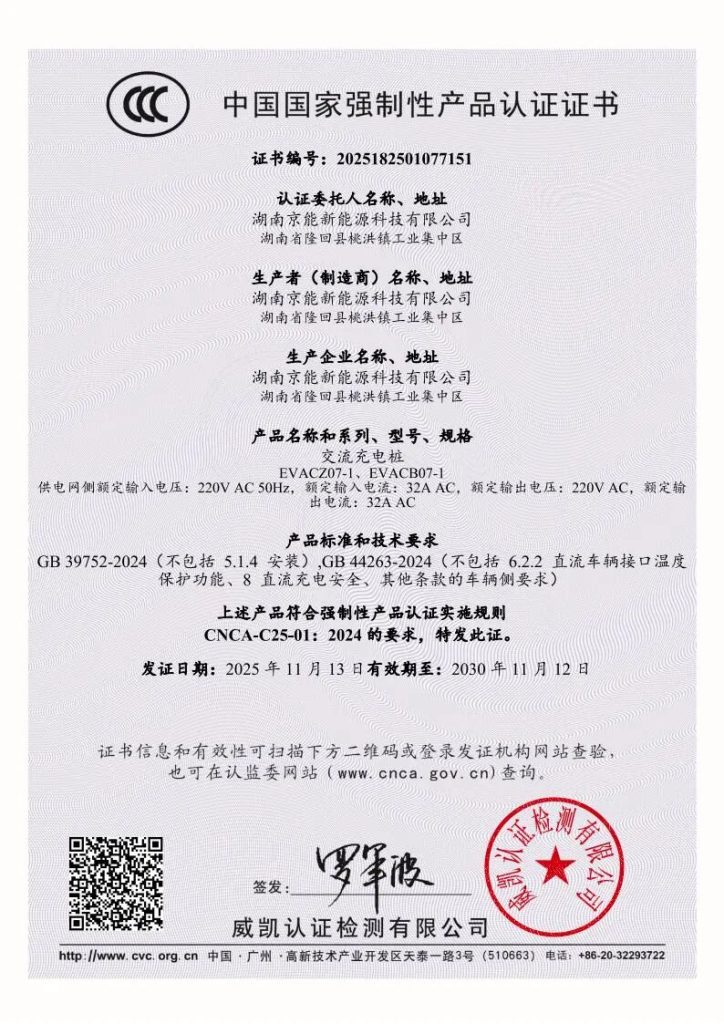
One of the most important factors when selecting an EV charger in China is CCC certification (China Compulsory Certification).
CCC certification is a mandatory national standard covering electrical safety, electromagnetic compatibility, and environmental reliability. Starting from August 1, 2026, uncertified EV chargers will no longer be permitted for production, sale, import, or commercial use in China.
Consumers are encouraged to verify certification authenticity through the official National Certification and Accreditation Information Public Service Platform.
When checking certification records, users should confirm:
- The product model matches the certification information exactly
- The certificate status remains valid and active
- The certification applies to the specific product version purchased
Key Factors When Selecting a Home EV Charger
Beyond certification, several additional considerations can help improve long-term charging safety and reliability.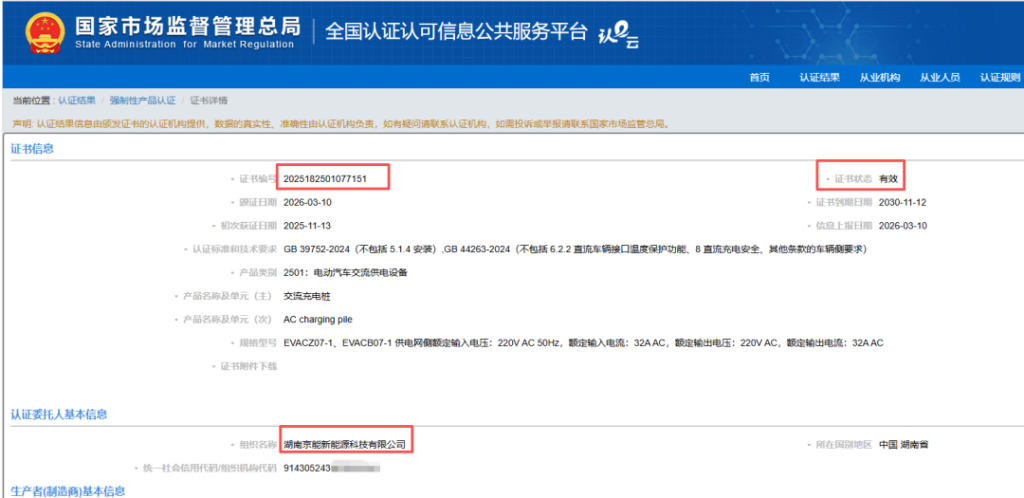
Protection Rating
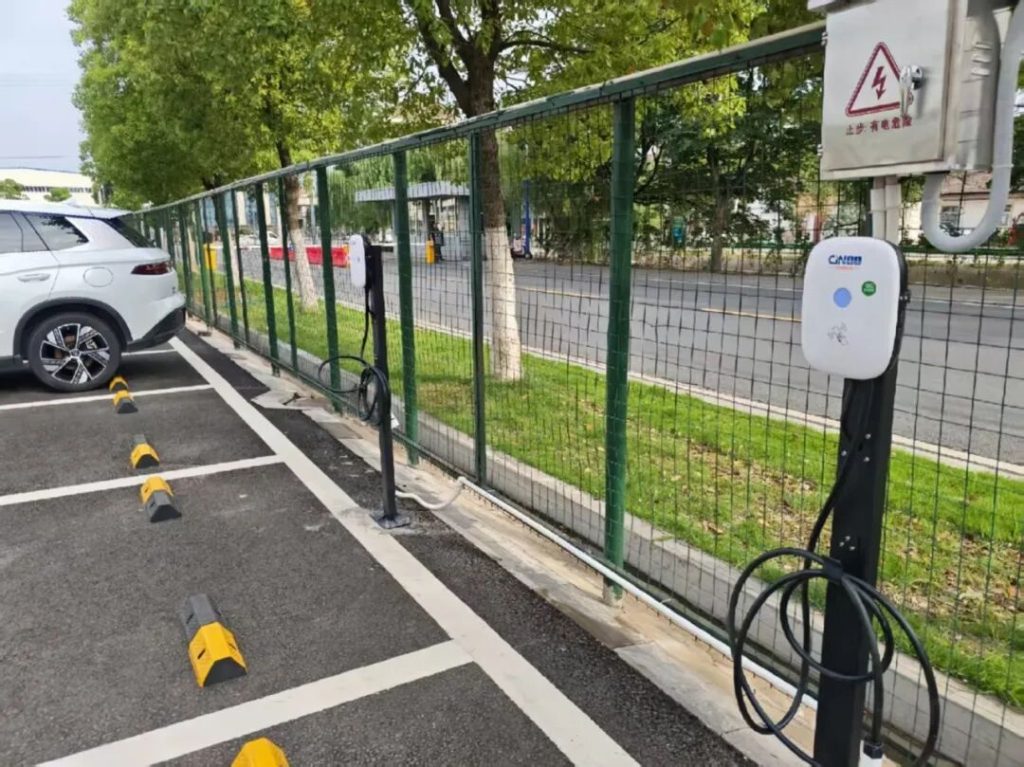
Home chargers are often installed in garages, outdoor parking areas, or exposed environments. Chargers with higher IP protection ratings provide stronger resistance against dust, moisture, rain, and extreme temperatures.
Built-In Safety Features
Reliable EV chargers should include multiple layers of protection, such as:
- Overcurrent protection
- Residual current protection
- Short-circuit protection
- Over-temperature protection
These functions play a critical role in ensuring stable and safe charging operation.
Service and After-Sales Support
Professional installation support, software maintenance, and long-term after-sales service are also important factors for charger reliability and operational lifespan.
 Supporting Safer EV Charging Infrastructure
As charging infrastructure standards continue to evolve, safety and reliability are becoming central requirements across the EV industry.
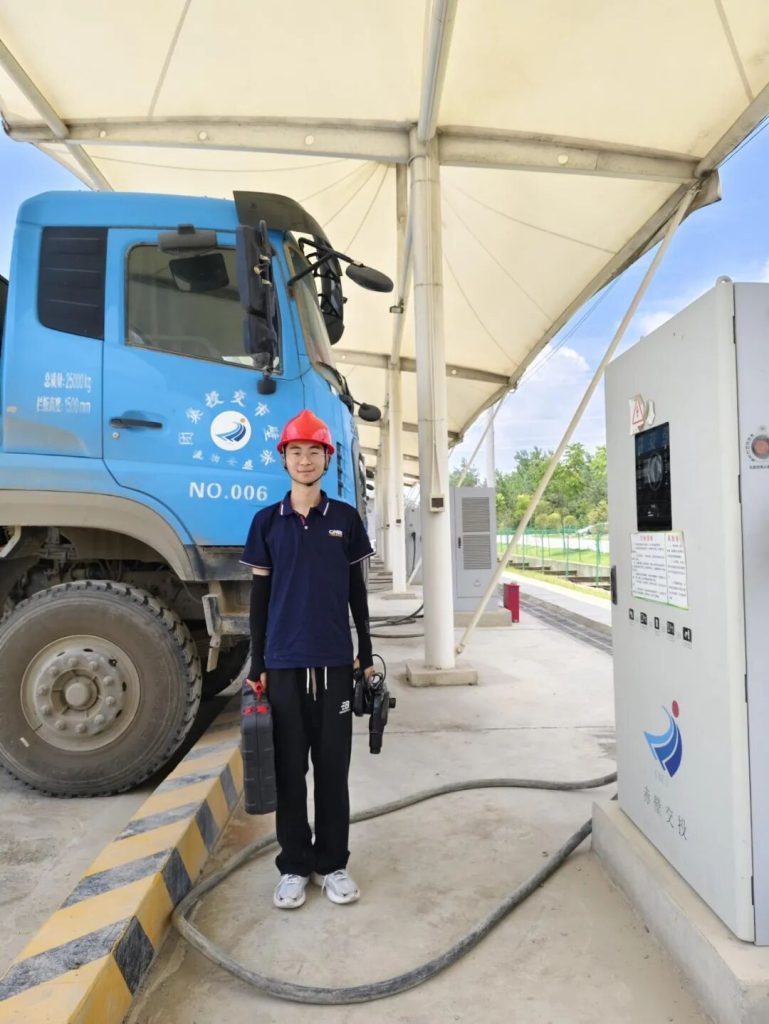
CJNOO Sustainable Energy continues to focus on intelligent charging technologies, product safety, and long-term operational reliability, supporting the development of a safer and more efficient charging ecosystem for EV users.
EV Charger Safety: What C…